
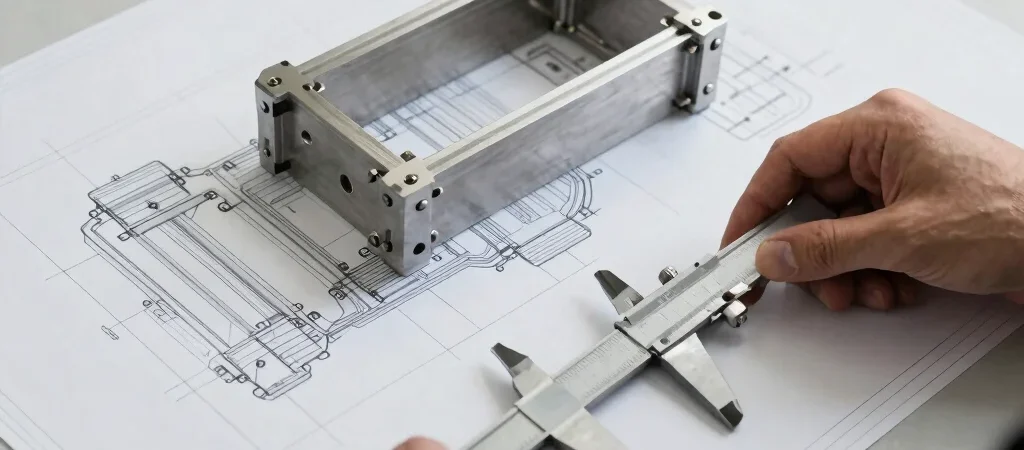
A component fits the model, passes an early calculation, and still proves awkward to install. The problem may not be the geometry; it may be that access for a wrench, a cable route, or the person doing the work never made it into the design conversation. Constraints are not just obstacles to solve around. They are part of what the design must serve.
Make the limits visible
Some constraints are fixed: a load, a clearance, a code requirement, or the dimensions of an existing opening. Others are inherited assumptions, such as a preferred material or a familiar assembly method. Put both on the table, and label what is known, estimated, or still open. That simple distinction helps a team avoid treating a guess as a requirement.
Design for the real task
A drawing shows the intended shape, but the work also includes handling, access, inspection, and replacement. A service panel that cannot open fully in its installed location may meet its dimensions and still frustrate the technician who needs to reach what is behind it. Ask how the design will be made, used, checked, and maintained before those details become expensive to change.
Know which trade-off you chose
There is rarely one option that wins on every measure. A lighter part may need a more involved joining process; a compact layout may make inspection harder. Record the reason for the choice alongside the decision, including what would cause the team to revisit it. Good engineering does not make trade-offs disappear. It makes them understandable.